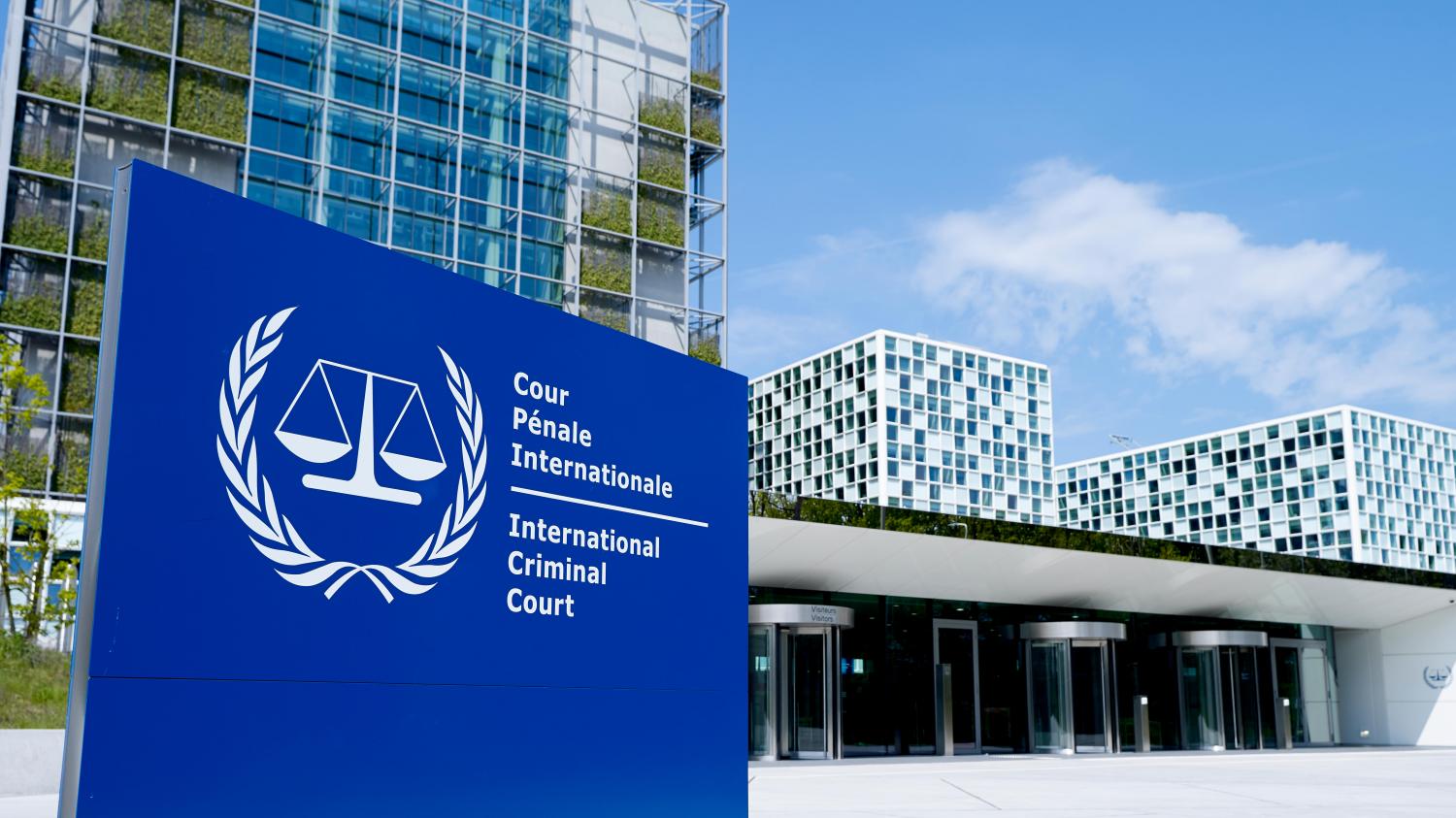
The International Criminal Court (ICC) has unsealed arrest warrants for four senior Taliban figures accused of bearing criminal responsibility for the persecution of women, girls, and others who did not conform to the group’s policies on gender, gender identity, or expression in Afghanistan.
On October 5, 2026, the ICC’s Pre-Trial Chamber II made public the warrants against Haibatullah Akhundzada, Abdul Hakim Haqqani, Habibullah Agha, and Neda Mohammad Nadim.
The warrants against Akhundzada and Haqqani were issued on July 8, 2025, and those targeting Agha and Nadim followed on September 9, 2025. However, they remained sealed and their contents kept confidential.
“It (the chamber) found that there are reasonable grounds to believe that the four suspects are criminally responsible for having ordered, induced or solicited the crime against humanity of persecution, under article 7(1)(h) of the Rome Statute,” the court said.
The persecution was carried out on gender grounds against girls, women, and people whose gender identity or expression was considered inconsistent with Taliban policy, as well as on political grounds against people perceived as “allies of girls and women”.
The court stated that the crimes are believed to have taken place in Afghanistan from the Taliban’s return to power on August 15, 2021, until at least January 20, 2025.
It noted that the Taliban, acting as a de facto government, had implemented policies that resulted in severe violations of fundamental rights and freedoms.
Pre-trial Chamber II linked those policies to conduct including murder, imprisonment, torture, rape, and enforced disappearance.
Girls and women targeted
“While the Taliban have imposed certain rules and prohibitions on the population as a whole, they have specifically targeted girls and women by reason of their gender, depriving them of fundamental rights and freedoms,” the court said.
“Specifically, the Taliban severely deprived, through decrees and edicts, girls and women of the rights to education, privacy and family life and the freedoms of movement, expression, thought, conscience and religion.”
The court further added that, “other persons were targeted because certain expressions of sexuality and/or gender identity were regarded as inconsistent with the Taliban’s policy
on gender”.
Haibatullah Akhundzada is the Taliban’s supreme leader and has been the group’s overall emir since 2016. Emir is the traditional title of nobility, leadership, and authority in Islamic countries that means “commander,” “prince,” or “ruler”.
Akhundzada is the highest religious and political authority within the Taliban’s Islamic Emirate. He had been a senior religious scholar and judicial figure within the Taliban before becoming its leader. Following the Taliban’s removal from power in 2001, he rose through its religious and judicial structures and eventually became head of the Taliban judiciary. He succeeded Mullah Akhtar Mansour as Taliban leader in 2016.
His position became particularly important after the Taliban retook Kabul in August 2021. The ICC considers him a de facto authority in Afghanistan from the takeover and believes that he was responsible for ordering, inducing, or soliciting the persecution at the centre of the case.
Abdul Hakim Haqqani is the head of Afghanistan’s Supreme Court and has served as the Taliban’s chief justice since 2021. He is a senior religious figure and long-standing member of the Taliban movement.
Before the Taliban returned to power, Haqqani headed its judicial commission and played a prominent role in the group’s negotiations with the United States in Doha. He has also been described as a close confidant and mentor to senior Taliban leaders, including Akhundzada.
READ: Said Abdel Kani convicted of crimes against humanity in the Central African Republic
His judicial role is central to understanding why he is among those wanted by the ICC. The European Union (EU) has previously sanctioned Haqqani, saying that, as chief justice, he used the judicial system to implement discriminatory policies against women, including excluding female judges and restricting women’s access to justice.
Sanctioned by the European Union
Habibullah Agha, the Taliban’s acting education minister, has held that portfolio since September 2022. Before joining the cabinet, he was the head of the Taliban’s clerical council in Kandahar and had held judicial and religious positions within the movement. He joined the Taliban shortly after its emergence in 1994 and served in its judicial structures during both its first period in power and its subsequent insurgency.
His role is particularly significant to the ICC case because the education ministry became one of the main mechanisms through which the Taliban’s restrictions on girls were implemented.
The EU has previously sanctioned Agha, stating that he implemented the policy barring girls from secondary education beyond the sixth grade and ordered the closure of some private and NGO-run education centres that had provided education to girls.
In September 2026, Afghanistan’s Taliban-run education ministry identified him as minister during an official visit to Helmand province.
Neda Mohammad Nadim, the fourth suspect, is the Taliban’s acting minister of higher education, a position he has held since October 2022.
He was appointed after the Taliban’s return to power and subsequently oversaw a system under which female students and women lecturers were excluded from public and private universities. The policy remains in place.
The ICC said Taliban decrees and edicts deprived women and girls of fundamental rights, including the rights to education, privacy, and family life, as well as freedoms of movement, expression, thought, conscience, and religion.
The court’s findings extend beyond restrictions imposed specifically on women and girls. It said people were also targeted because their sexuality or gender identity was considered incompatible with Taliban policy.
It further found that people perceived as opposing the Taliban’s policies, even through passive opposition or omission, could be targeted as political opponents. This included people described by the Taliban as “allies of girls and women”.
In a significant interpretation of the Rome Statute, the judges said the concept of gender should not be understood solely through biological sex. They said it encompasses socially constructed roles, behaviours, expectations, and hierarchies associated with sex.
“In the warrants of arrest, the chamber, in line with current developments in international law, found that the definition of ‘gender’ in the Rome Statute necessitates an interpretation that goes beyond a purely biological conception of sex. It considered that it requires acknowledging the socially constructed roles, behaviours, expectations, and hierarchies traditionally associated with individuals on the basis of their sex,” it said.
The ICC said this understanding formed part of the context for determining whether conduct amounted to gender-based persecution.
The warrants are the latest development in an ICC investigation that predates the Taliban’s return to power.
Gender-based persecution
Afghanistan acceded to the Rome Statute in 2003, giving the ICC jurisdiction over Rome Statute crimes committed on Afghan territory from May 1, 2003. The court’s preliminary examination of the Afghanistan situation was made public in 2007.
It authorised an investigation into the situation in 2020. After the Taliban takeover, the investigation was resumed, with the pre-trial chamber authorising its resumption in October 2022.
On January 23, 2025, then-ICC Prosecutor Karim Khan announced that his office had applied for warrants against Akhundzada and Haqqani, saying there were reasonable grounds to believe the two men bore criminal responsibility for persecution on gender grounds.
The judges issued those two warrants in July. Two further warrants were issued in September against Agha and Nadim before all four were eventually unsealed.
The four men remain at large. The ICC has no police force of its own, meaning execution of the warrants depends largely on cooperation by states.